

Sustainability · 2025
In this section49 topics
- Sustainability Policy4 items
- Sustainability Goals & UN SDGs3 items
- Policy Review3 items
- Business Value Chain1 item
- Stakeholder Analysis1 item
- Environmental Policy & Guidelines4 items
- Environmental Policy Review1 item
- Energy — Plan & Guidelines2 items
- Energy — Electricity Consumption1 item
- Energy — Fuel Consumption1 item
- Energy — Targets2 items
- Energy — Performance & Outcomes2 items
- Water — Plan & Guidelines2 items
- Water — Withdrawal, Discharge & Consumption1 item
- Water — Targets1 item
- Water — Performance & Outcomes2 items
- Waste — Plan & Guidelines2 items
- Waste — Generation, Disposal & Recycling1 item
- Waste — Targets1 item
- Waste — Performance & Outcomes2 items
- GHG — Plan & Guidelines2 items
- GHG — Emissions1 item
- GHG — Emissions Verification4 items
- GHG — Principles & Standards1 item
- GHG — Targets1 item
- GHG Targets — Other Targets1 item
- GHG — Performance & Outcomes2 items
- Environmental Legal Incidents1 item
- Social Policy & Guidelines4 items
- Social Policy Review3 items
- Social — Principles & Standards Practised1 item
- Human Rights Due Diligence2 items
- Employees — Plan & Guidelines3 items
- Employees — Workforce1 item
- Employees — Remuneration & Provident Fund1 item
- Employees — Training & Development1 item
- Employees — Occupational Health & Safety1 item
- Employees — Labour Relations1 item
- Employees — Employee Representation2 items
- Employees — Targets2 items
- Employees — Performance & Outcomes2 items
- Customers — Plan & Guidelines3 items
- Customers — Satisfaction Results1 item
- Customers — Targets2 items
- Customers — Performance & Outcomes2 items
- Community & Social — Plan & Guidelines3 items
- Community & Social — Targets2 items
- Community & Social — Performance & Outcomes2 items
- Law Violation Incidents1 item
Sustainability Policy
Introduction
The Company establishes policies and operational goals for sustainable development, focusing on alignment with business direction and strategies to drive stable and sustainable business growth. This also includes considering principles and goals from the United Nations Sustainable Development Goals (UN SDGs) as guidelines to ensure compliance with international standards. The framework for sustainable development operations is defined across three dimensions: economy, society, and environment. Emphasis is placed on instilling, promoting, and disseminating sustainable development goals across all departments to foster understanding and concrete implementation. Furthermore, sustainable development operational policies are applied as a core principle to drive achievements and create maximum benefits for stakeholders. In preparing sustainability information, the Company has ensured compliance with the Sustainability Reporting Guide for Listed Companies (SET Sustainability Reporting Guide of the Stock Exchange of Thailand).
Has a Sustainability Policy
Yes
Policy Description
Economic Aspect
The Company is committed to being a sustainably successful organization, generating maximum returns for shareholders and safeguarding the interests of all stakeholders.
Goal : Achieve sustainable business growth and returns.
Create electronic devices with smart, outstanding, and unique innovations, and deliver excellent quality products and services.
Manage the business to foster innovation, creating added value for customers and partners, which will lead to shared global success.
Conduct business according to good governance principles, with transparency, accountability, and consideration for all stakeholder groups.
Effectively manage holistic risk.
Responsible and sustainable value chain management.
Social Aspect
The Company is committed to being an organization that contributes to driving long-term sustainable societal development.
Goal : Create a good quality of life and build a sustainable society.
Treat all employees with respect for human rights, equality, and workplace safety as paramount.
Develop personnel to promote career stability and create a good quality of life.
Build good relationships with communities and society, providing knowledge and developing the potential of youth and students, who are crucial mechanisms for driving industry, economy, and society.
Collaborate with educational institutions and government agencies to create innovations, ensuring that knowledge from research and development is applied in practice, thereby promoting sustainable knowledge development.
Environmental Aspect
The Company is committed to reducing the environmental impact of its operations.
Goal : Drive the organization to become “A Low Carbon Company”
Reduce environmental impact from operations and product processes throughout the supply chain.
Focus on internal waste management and efficiently reduce waste from product manufacturing.
Support and promote collaborative business operations with customers and partners, with a primary focus on environmental impact.
Policy Document Link
https://investor.sic.co.th/en/sustainability/sustainable-development-goals
Sustainability Goals & UN SDGs
Has Sustainability Goals
Yes
Goals Description
Economic Dimension
Sustainable Development Policy | Long-term Expectations/Goals 2022 - 2026 | Key Performance Results 2025 | SDGs Goals Aligned with Organizational Goals |
Create electronic devices with intelligent, outstanding, and unique innovations, and deliver excellent quality products and services. | Sustainable and continuous revenue growth. | Total revenue increased by 4% compared to the previous year. | |
Customer satisfaction rate exceeds 90%. | Customer satisfaction rate is 94.2%. | Goal 8: Decent Work and Economic Growth Goal 9: Industry, Innovation and Infrastructure Goal 12: Responsible Consumption and Production | |
Manage business to foster innovation, creating added value for customers and partners, which will lead to mutual global success. | There are more than 20 research and development projects for product design to support long-term growth. | There are a total of 27 product development and design projects, with 11 projects already completed and launched into the market. | Goal 9: Industry, Innovation and Infrastructure |
Conduct business according to good governance principles, with transparency, accountability, and consideration for all stakeholders. | No significant warnings from regulatory bodies. | No significant warnings from regulatory bodies. | Goal 16: Peace, Justice and Strong Institutions |
Corporate governance assessment results at an "Excellent" level by external agencies. | Corporate governance assessment results at an "Excellent" level from the Thai Institute of Directors Association for the 4th consecutive year. | Goal 16: Peace, Justice and Strong Institutions | |
Efficiently manage holistic risk. | Reduce the risk of reliance on primary raw material suppliers by having dual sources for all product lines. | There are a total of 3 wafer manufacturers in the Company's database, namely manufacturers in Singapore, South Korea, and the People's Republic of China. | |
Risk of losing expert engineers in integrated circuit design, with a turnover rate for engineers in critical positions not exceeding 5%. | The turnover rate for engineers in critical positions is 3.9%. Plans are continuously implemented to retain personnel, such as the Retention Program, with the EJIP project ongoing as the 6th project to retain high-potential employees by creating incentives and opportunities for ownership, and the project. Strategic Leadership Development Program which is a project related to developing high-potential leaders and employees who are crucial forces ready to drive the organization towards sustainable growth. | Goal 8: Decent Work and Economic Growth | |
Responsible and Sustainable Value Chain Management | Reduce waste from production and product testing processes to a level not exceeding 2.15%. | The Company emphasizes the design of new products with enhanced quality, stricter process control, and close collaboration with partners. This proactive approach continuously reduces production losses and strengthens production efficiency and product reliability. The projected production loss rates for the Company from the latest year until 2027 are 4%, 3.5%, and 3.2%, respectively. In 2025, the amount of waste in the production process was 3%, which is better than the forecasted target. | Goal 12: Responsible Consumption and Production Goal 13: Climate Action |
Social Dimension
Sustainable Development Policy | Long-term Expectations/Goals 2022 - 2026 | Key Performance Results 2025 | SDGs Goals Aligned with Organizational Goals | |
Treat all employees with due regard for human rights, equality, and occupational safety. | Establish a Code of Conduct in line with international standards, such as The Electronic Industry Citizenship Coalition (EICC). | The Business Ethics and Code of Conduct are reviewed by the Board of Directors' meeting, and business ethics training is provided to all personnel in the organization to raise awareness and understanding of these matters. In 2025, The Company has a proportion of employees who have signed and acknowledged the Business Ethics and Code of Conduct, and scored more than 80% on the comprehension test, representing 100% of all employees. Furthermore, the Company has conducted a comprehensive Human Rights Due Diligence process to identify issues and assess risks and impacts related to human rights violations within the organization. | Goal 8: Decent Work and Economic Growth Goal 16: Peace, Justice and Strong Institutions | |
No injuries, illnesses, or fatalities from operations. | No injuries, illnesses, or fatalities from operations. | Goal 8: Decent Work and Economic Growth | ||
No human rights or occupational safety complaints have been brought to court. | No human rights or occupational safety complaints have been brought to court. | Goal 8: Decent Work and Economic Growth | ||
Develop personnel to promote career stability and create a good quality of life. | Employees receive an average of 25 hours of development and training per person per year. | Employee training courses are provided, with an average of 28 hours per person per year (excluding C-Level). | Goal 4: Quality Education | |
Build good relationships with communities and society, provide knowledge, and develop the potential of youth and students, which are crucial mechanisms for driving industry, economy, and society. | Expand support for related communities, such as educational institutions, to cover 9 institutions. | The Company invited faculty members. both domestically and internationally from leading institutions and students from various universities participate in joint training, such as Chulalongkorn University, Prince of Songkla University, Suranaree University of Technology, Kasetsart University, King Mongkut's Institute of Technology Ladkrabang, Korea Advanced Institute of Science and Technology (KAIST), etc. The Company also promotes electronic innovation capabilities to several educational institutions through various activities, such as special lectures on "What is Inside a Microcontroller? - A Digital Design Perspective" concerning design and innovation creation by the Company's design engineers, organizing digital circuit design engineering competitions, accepting summer and cooperative education interns, participating in advising fourth-year (bachelor's degree) projects, and continuously organizing the DD Camp for the 9th year in collaboration with the Faculty of Engineering, Chulalongkorn University, and the Thai Embedded Systems Association (TESA) to provide opportunities for university students nationwide to develop skills and knowledge related to FPGA and Digital IC design. | Goal 4: Quality Education | |
Collaborate with educational institutions and government agencies to create innovations, ensuring that knowledge from research and development is practically applied, thereby promoting sustainable knowledge development. | Continuously, every year, there are projects supporting or collaborating with educational institutions or government agencies on creating innovations that can be practically applied for sustainable knowledge development. | The Company co-funds the Researcher and Research Development for Industry (RRI) project with the National Research Council of Thailand (NRCT) for doctoral students in specialized fields related to research and innovation supported by the National Research Council for the year 2025. | Goal 4: Quality Education Goal 9: Industry, Innovation and Infrastructure | |
Environmental Dimension
Sustainable Development Policy | Long-term Expectations/Goals 2022 - 2026 | Key Performance Results 2025 | SDGs Goals Aligned with Organizational Goals |
Reduce environmental impacts from operations and product processes throughout the supply chain. | Reduce greenhouse gas emissions related to the organization's operations through various supporting projects, such as using renewable energy, employing technologies with greenhouse gas reduction potential, and raising employee awareness for efficient energy use. | The organization continuously collects greenhouse gas emissions data (Carbon Footprint for Organization) for Scope 1 and 2. In 2025, data for Scope 3 was fully collected for the first time. The organization's direct greenhouse gas emissions (Scope 1) amounted to 8 tCO2e, and indirect greenhouse gas emissions (Scope 2 and 3) amounted to 117 and 408 tCO2 e, respectively. The data was verified by certified verifiers from the Thailand Greenhouse Gas Management Organization (TGO), specifically the University of Phayao Greenhouse Gas Management Certification Unit, led by Assoc. Prof. Dr. Saksit Imman and Asst. Prof. Dr. Nopparat Suriyachai. | Goal 13: Climate Action |
Reduce internal waste and minimize waste generation through recycling. | Continuously promote waste separation projects for employees to practice, manage waste according to the 3R process (Reduce, Reuse, Recycle), and regularly provide knowledge, understanding, and benefits of waste separation to employees through internal communication channels. For electronic waste, it is sold for recycling to authorized companies or agencies, separating reusable components such as metals, plastics, and circuit boards to reduce the disposal of hazardous waste into the environment. | Goal 12: Responsible Consumption and Production | |
Renewable energy is utilized. | Electricity consumption is controlled by considering replacing old appliances with energy-efficient ones, as well as promoting efficient electricity use within the office for both lighting and air conditioning systems. In 2025, the Company's total electricity consumption was 244,431.20 kilowatt-hours, a decrease of approximately 3% from 2024. | Goal 7: Affordable and Clean Energy | |
Support and promote collaborative business operations with customers and partners, with a primary focus on environmental impacts. | Establish a standard checklist with content related to operations, considering environmental impacts for all partners and customers. | There is a Business Partner Code of Conduct that covers operational matters, considering both social and environmental impacts for partners. In 2025, 93% of partners have signed it. Regarding customers, the Company collaborates by providing operational sustainability information according to each customer's checklist. | Goal 12: Responsible Consumption and Production |
UN Sustainable Development Goals
| SDG Goal |
|---|
| Goal 4 Quality Education |
| Goal 7 Affordable and Clean Energy |
| Goal 8 Decent Work and Economic Growth |
| Goal 9 Industry, Innovation and Infrastructure |
| Goal 12 Responsible Consumption and Production |
| Goal 13 Climate Action |
| Goal 16 Peace, Justice and Strong Institutions |
| Goal 17 Partnerships for the Goals |
Policy Review
Policy Reviewed This Year
Yes
Policy Changed This Year
No
Review Details
The Company reviews its sustainable development policy annually, with approval from the Board of Directors. Furthermore, during the year 2025, the Sustainability Development Working Group discussed and reviewed the Company's sustainability management goals to update them in line with the current context. The new goals will subsequently be announced after receiving approval from top management.
Business Value Chain
Value Chain Description
Silicon Craft Technology Public Company Limited (the “Company”) conducts its main business in research and development in microchip design, which is classified as an upstream industry of the electronics industry by hiring both domestic and foreign trade partners to produce products, namely raw material procurement, assembly, and product testing. The Company supervises and controls all steps to meet the needs of customers and quality according to international standards by selling microchips to customers or using microchips to assemble various materials to be a form and shape (IC packaging, Form Factor) that varies depending on the application. For the operations abovementioned, they are primary activities. Support activities such as procurement, human resource management and the infrastructure of various organizations also help to ensure that business operations go smoothly and meet the expectations of all stakeholders.
Stakeholder Analysis
Stakeholder Analysis
| Stakeholder Type | Stakeholders | Stakeholder Expectations | Response to Expectations | Communication Activities |
|---|---|---|---|---|
| Internal stakeholders | 2921 · Description: Employees | 1. Stable employment with clear compensation and defined career advancement opportunities.
2. Clear and actionable corporate goals, policies, and defined scope of responsibilities.
3. A safe working environment with good physical working conditions.
4. Training and development programs to continuously enhance employee skills and knowledge. | 1. The Company provides appropriate benefits and compensation, with periodic reviews for position advancement when warranted.
2. Annual goals, policies, and work responsibilities are established and communicated clearly and consistently to all employees.
3. The Company maintains a safe and hygienic workplace, equipped with necessary work facilities, rest areas, social spaces, and a staff dining area.
4. Regular employee training and development programs are conducted, supported by an appropriate annual budget. | 2942 · Description: Internal Meeting · 2945 · Description: Complaint Reception · 2946 · Description: Employee Engagement Survey · 2947 · Description: Satisfaction Survey · 2948 · Description: Training / Seminar · 2949 · Other name: The Company supports employee engagement through an Employee Welfare Committee, annual KPI setting, mid-year and annual performance evaluations, and quarterly Town Hall meetings. Risk assessments are conducted regularly, and employees can raise concerns through supervisors, Human Resources, or the Company's whistleblowing channel. Employee development is supported through internal and external training programs and collaborations with external institutions for knowledge sharing and technical dev · Description: Others |
| Internal stakeholders | 2913 · Description: Shareholders | 1. Worthwhile return
2. Sustainable growth of the organization | 1. The Company is managed efficiently with a focus on delivering the best outcomes for shareholders and all stakeholders.
2. Business policies, plans, and development strategies are clearly defined, implemented, and regularly reviewed and updated, with operations conducted in a transparent and fair manner. | 2939 · Description: Press Release · 2941 · Description: Online Communication · 2944 · Description: Annual General Meeting (AGM) · 2945 · Description: Complaint Reception · 2949 · Other name: Analyst and investor meetings and investor relations activities, 56-1 One Report, MD&A, Company website, IR website, and Company Facebook page. · Description: Others |
| External stakeholders | 2923 · Description: Customers | 1. Products with a distinctive appearance to create trading advantages for customers with simple use and quality according to relevant international standards.
2. Competitive product prices
3. On time delivery, good service, customer satisfaction
4. Continuous collaboration in planning and developing new products
5. Conducting business with ethics, taking into account the society and the environment | 1. Innovative product development that can create competitive advantages for customers, with a product inspection process to ensure efficiency in accordance with relevant standards
2. Effective cost management with clear plans and measures in the waste reduction project from the production and product testing as well as regular monitoring of the results, including product design improvement from the beginning to create the least wastes
3. Supply chain management to manage the delivery according to the agreed time with regular service development and improvement
4. There is a clear plan to develop new products together with customers and business partners.
5. Identifying the Company's business ethics and other relevant ethical requirements for implementation in the organization
| 2938 · Description: Visit · 2941 · Description: Online Communication · 2943 · Description: External Meeting · 2945 · Description: Complaint Reception · 2947 · Description: Satisfaction Survey · 2949 · Other name: Market research, customer audits, risk assessments, and production and testing waste reduction programs. · Description: Others |
| External stakeholders | 2899 · Description: Suppliers | 1. Long-term contract, high volume, and continuous purchase
2. Payment on time
3. Accurate, complete information, necessary information exchange to increase work efficiency
4. Business collaboration with growth, stability, sustainability, and fairness
| 1. Good supply chain management with systematical plan of orders
2. Effective financial management
3. Accurate, complete information with regular communication, meeting of relevant people to notify when having a change in the laws
4. Clear plans to develop new products, including various policies with partners
| 2938 · Description: Visit · 2941 · Description: Online Communication · 2943 · Description: External Meeting · 2945 · Description: Complaint Reception · 2949 · Other name: Supplier meetings, risk assessments, and Supplier Code of Conduct. · Description: Others |
| External stakeholders | 2931 · Description: Government agencies and Regulators |
1. Increase employment in the country
2. Complete delivery of documents and on time
| 1. Establishment of employment policies and practices to promote technology development in the country
2. A plan to prepare documents for complete delivery and on time | 2938 · Description: Visit · 2940 · Description: Social Event · 2941 · Description: Online Communication · 2943 · Description: External Meeting · 2945 · Description: Complaint Reception · 2948 · Description: Training / Seminar · 2949 · Other name: Participation in government forums and consultations, and 56-1 One Report. · Description: Others |
| External stakeholders | 2925 · Description: Financial institution | 1. The company can fulfill financial commitments and others related to the existing contracts with financial institutions.
2. Accurate, complete and sufficient company information for various risk assessments.
| 1. Efficiently plan and manage cash flows and other financial factors. Implement effective internal auditing and risk management processes.
2. Provide adequate, accurate and transparent information.
| 2941 · Description: Online Communication · 2943 · Description: External Meeting · 2945 · Description: Complaint Reception · 2949 · Other name: Meetings with financial institutions, quarterly and annual financial results, 56-1 One Report, MD&A, and Company website. · Description: Others |
| External stakeholders | 2902 · Description: Community · 2926 · Description: Educational institution or academic agency · 2927 · Description: Research institutes | 1. Technology research and development projects that benefit the society and the country
2. An organization that supports graduates and cooperates with communities/institutions in order to produce graduates that meet the needs of the private sector
| 1. Cooperation in joint research and development projects both in terms of personnel and funding
2. Job positions to support graduates that are suitable for their potential and in line with the company's plans, including cooperation in transferring knowledge and experience in both technology and business to various agencies or institutions
| 2938 · Description: Visit · 2939 · Description: Press Release · 2940 · Description: Social Event · 2941 · Description: Online Communication · 2943 · Description: External Meeting · 2948 · Description: Training / Seminar · 2949 · Other name: Collaborative product research and development projects, educational and R&D funding support, provision of sample products for research purposes, internship programs, knowledge-sharing forums and seminars, participation in job fairs, and active involvement in advancing and developing semiconductor curricula in Thailand. · Description: Others |
Environmental Policy & Guidelines
Has an Environmental Policy
Yes
Policy Description
Environmental Policy and Practices
The Company is committed to reducing its environmental impact from its operations and driving the organization to become "A Low Carbon Company." This involves establishing a corporate carbon footprint policy to ascertain the organization's greenhouse gas emissions and removals, and to determine the consumption of various energy types, such as fuel, electricity, and water. This will lead to the establishment of effective management guidelines for reducing greenhouse gas emissions. The assessment of the corporate carbon footprint will adhere to the requirements for calculating and reporting corporate carbon footprints (Revised Edition 6, July 2022) set by the Thailand Greenhouse Gas Management Organization (Public Organization) (TGO). The data has been verified and certified by verifiers accredited by the Thailand Greenhouse Gas Management Organization in accordance with proper procedures.
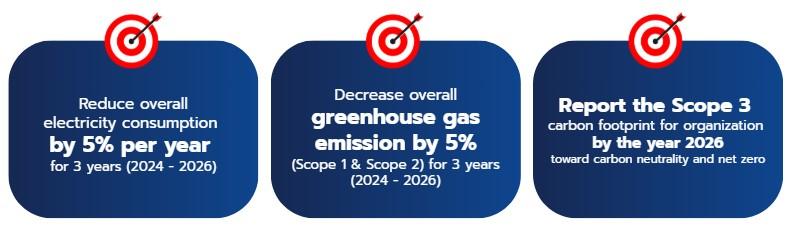
Environmental Operational Goals
Policy Document Link
https://investor.sic.co.th/en/sustainability/sustainable-development-goals
Environmental Guidelines
| Guideline |
|---|
| Electricity Management |
| Water Management |
| Waste Management |
| Greenhouse Gas and Climate Change Management |
Environmental Policy Review
Policy Reviewed This Year
No
Energy — Plan & Guidelines
Has an Energy Management Plan
Yes
Plan Description
The Company primarily operates in office spaces and does not have its own production lines. Therefore, the Company's energy management strategy focuses on fostering an organizational culture that promotes efficient energy consumption through weekly dissemination of information on environmental and sustainability matters, as well as improving the office building's infrastructure to suit operations while considering environmental impacts. This is achieved through the selection and installation of energy-saving equipment, such as switching to LED lighting and installing energy-efficient air conditioners. The Building and Facilities Department schedules annual air conditioner cleaning and regularly inspects for water leaks. Should any leaks or damages occur, the Building and Facilities Department will promptly proceed with repairs.
Furthermore, beyond internal management, the Company emphasizes promoting efficient energy use throughout the supply chain by encouraging partners to conduct business in accordance with sustainable development guidelines. In 2025, the Company coordinated with partners and promoted the signing of agreements or guidelines that prioritize efficient energy use and the reduction of greenhouse gas emissions in partners' production processes and operations. This is considered part of the collaborative effort to reduce overall energy consumption and foster joint sustainable development within the supply chain.
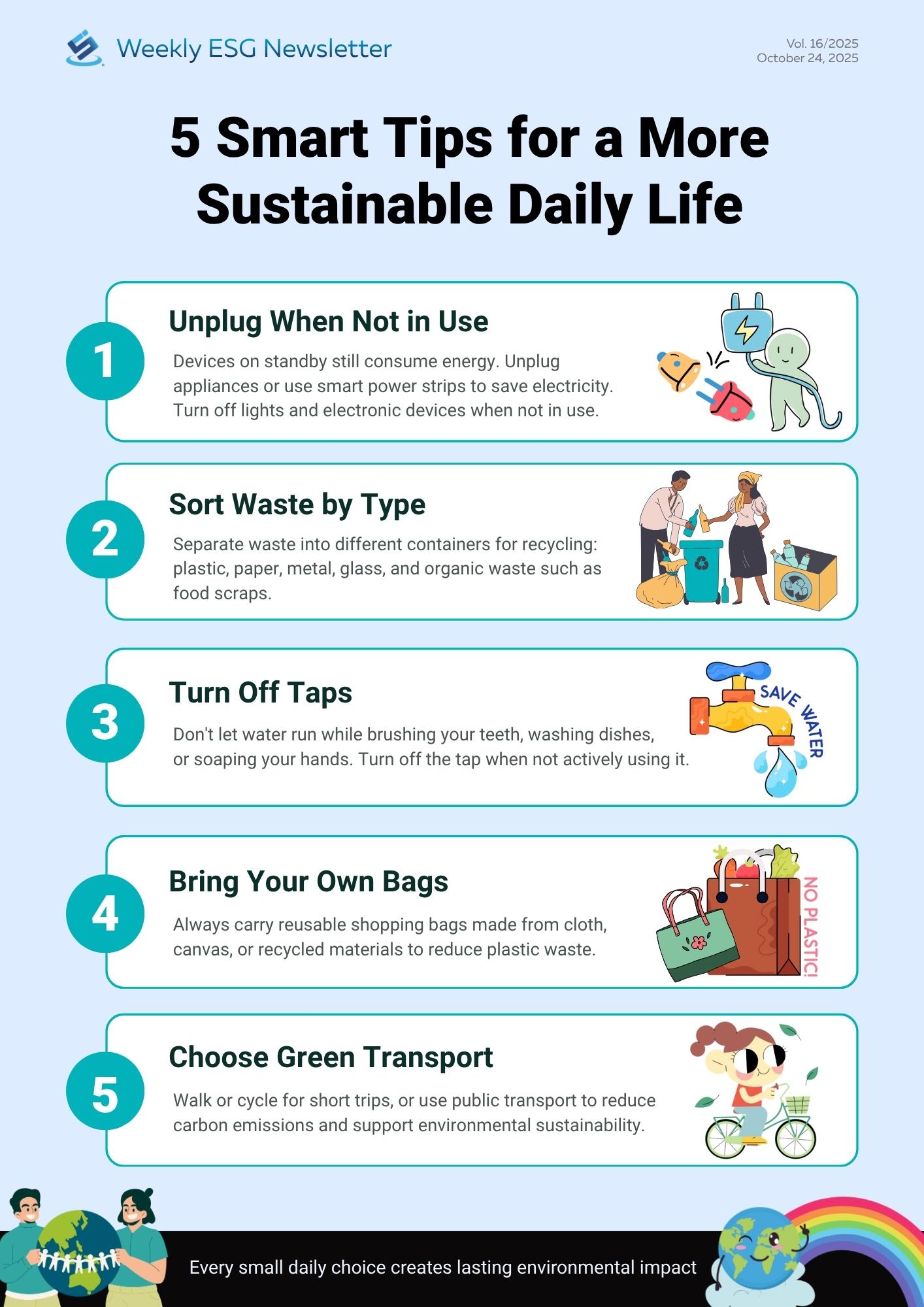
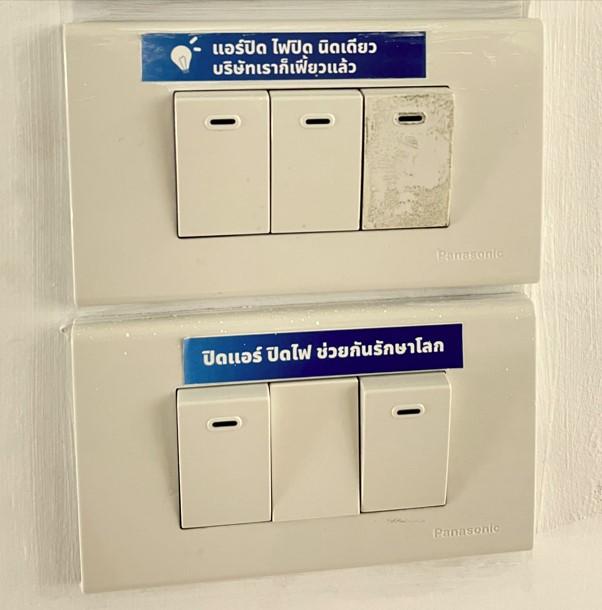
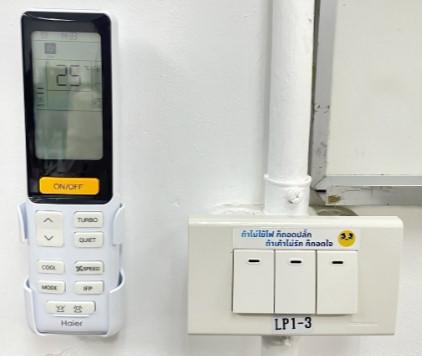
The Company continuously conducts internal campaigns to raise employee awareness about the importance of efficient resource and energy utilization, including the economical use of fuel resources, electricity, and water. The Company disseminates environmental knowledge and best practices that employees can concretely apply through internal email channels under the "Weekly ESG Newsletter" to ensure employees understand the significance of these matters. Additionally, campaign signs have been installed at key electrical equipment usage points throughout the office building to remind employees to conserve energy and switch off devices when not in use.
Examples of internal communication materials
Examples of campaign signs at electrical equipment usage points
Furthermore, in 2025, the Company participated in the ESG DNA project of the Stock Exchange of Thailand, which aims to enhance knowledge, understanding, and attitudes regarding sustainable development among employees at all levels. Employees can apply this knowledge to their respective operational areas. The Company believes that increased employee understanding of ESG (Environment, Social, Governance) will concretely support the Company's sustainable development goals. The Company regularly promoted employee participation in this training program via email and received excellent cooperation from employees throughout the past year.
Energy — Electricity Consumption
Electricity Consumption
| Metric | Current Year | Previous Year | Two Years Ago |
|---|---|---|---|
| Total electricity consumption within the organization (Kilowatt-Hours) | 244,431.2 | 252,040.7 | 237,761.7 |
| Electricity purchased for consumption from non-renewable energy sources (Kilowatt-Hours) | |||
| Electricity purchased or generated for consumption from renewable energy sources (Kilowatt-Hours) |
Energy — Fuel Consumption
Fuel Consumption
| Metric | Current Year | Previous Year | Two Years Ago |
|---|---|---|---|
| Crude oil (Barrels) | |||
| Coal (Metric tonnes) | |||
| Jet fuel (Litres) | |||
| Diesel (Litres) | 1,542.7 | 1,158.52 | 1,436.25 |
| Gasoline (Litres) | 1,708.89 | 1,294.42 | 1,266.09 |
| Fuel oil (Litres) | |||
| Natural gas (Standard cubic feet) | |||
| LPG (Kilograms) | |||
| Steam (Metric tonnes) |
Energy — Targets
Has Set Targets
Yes
Targets
| Target | Base Year | Base Year Value | Target Year | Target Change (%) | Unit |
|---|---|---|---|---|---|
| Reduction of electricity purchased and fuel consumption | 2,023 | 237,761.7 | 2,026 | 5 | Kilowatt-hour |
| Reduction of fuel consumption | 2,023 | 2,702.34 | 2,026 | 5 | Litres |
Energy — Performance & Outcomes
Has Performance Results
Yes
Performance Description
In 2025, the Company's overall energy consumption increased slightly by 3.0 percent from the base year (2023), consistent with business expansion. However, compared to 2024, the Company was able to reduce energy consumption by 2.7 percent, reflecting the effectiveness of continuous energy management measures. This was coupled with excellent cooperation from employees, such as turning off lights and electrical equipment in unused areas and during lunch breaks, adjusting air conditioner temperatures to appropriate levels, and reporting any equipment malfunctions for prompt repair, which helps prevent unnecessary energy loss.
Oil and Fuel
The Company's total oil and fuel consumption was 3,251.59 liters, an increase from the base year and 2024. The main factor was the increase in the number of employees to support business growth, leading to increased vehicle usage. Additionally, the adjustment of the hybrid workplace policy from two days per week to one day per week resulted in more frequent commutes to the office.
Electricity
The Company's total electricity consumption was 244,431.20 kilowatt-hours, an increase of 2.8 percent from the base year (2023) due to the expansion of office space to accommodate the growing number of employees in line with organizational growth. However, the Company was able to reduce electricity consumption by 3.0 percent compared to 2024 through continuous implementation of energy efficiency measures, such as switching to LED bulbs, installing energy-saving air conditioners, regular equipment maintenance, and promoting energy-saving awareness within the organization.
The Company remains committed to continuously implementing efficient energy management through upgrading equipment efficiency, adopting additional energy-saving technologies, and promoting valuable energy consumption behaviors within the organization. This is coupled with encouraging employees to participate in the ESG DNA project training organized by the Stock Exchange of Thailand, to enhance their knowledge and understanding of ESG (Environment, Social, Governance) impacts, and collectively drive the Company towards achieving its goal of reducing overall energy consumption by 5 percent from the base year by 2026.
In 2025, a total of 136 employees participated in and completed the ESG DNA project training organized by the Stock Exchange of Thailand, representing 76 percent of all registered employees.
Total number of company employees who have registered | Number of employees who participated in the project and completed the training | Percentage of employees who completed the training |
180 people | 136 people | 76% |
Water — Plan & Guidelines
Has a Water Management Plan
Yes
Plan Description
The Company primarily conducts its business within office buildings, and all operational areas are leased spaces. As a result, the Company has limited ability to directly manage water resources. Nevertheless, the Company recognizes the importance of using water efficiently and has implemented ongoing campaigns to encourage employees to avoid excessive water usage through the Company’s communication channels. In addition, the Company monitors water consumption by collecting data on water meter readings and annual water expenses. This information is used for planning and establishing more rigorous water-saving measures in the future. The Company’s water usage data is as follows:
Item | 2023 | 2024 | 2025 |
Total water consumption (cubic meters) | 224.30 | 242.14 | 239.36 |
Total water usage expenses (Baht) | 4,486.08 | 4,842.72 | 4,787.14 |
Water Stress
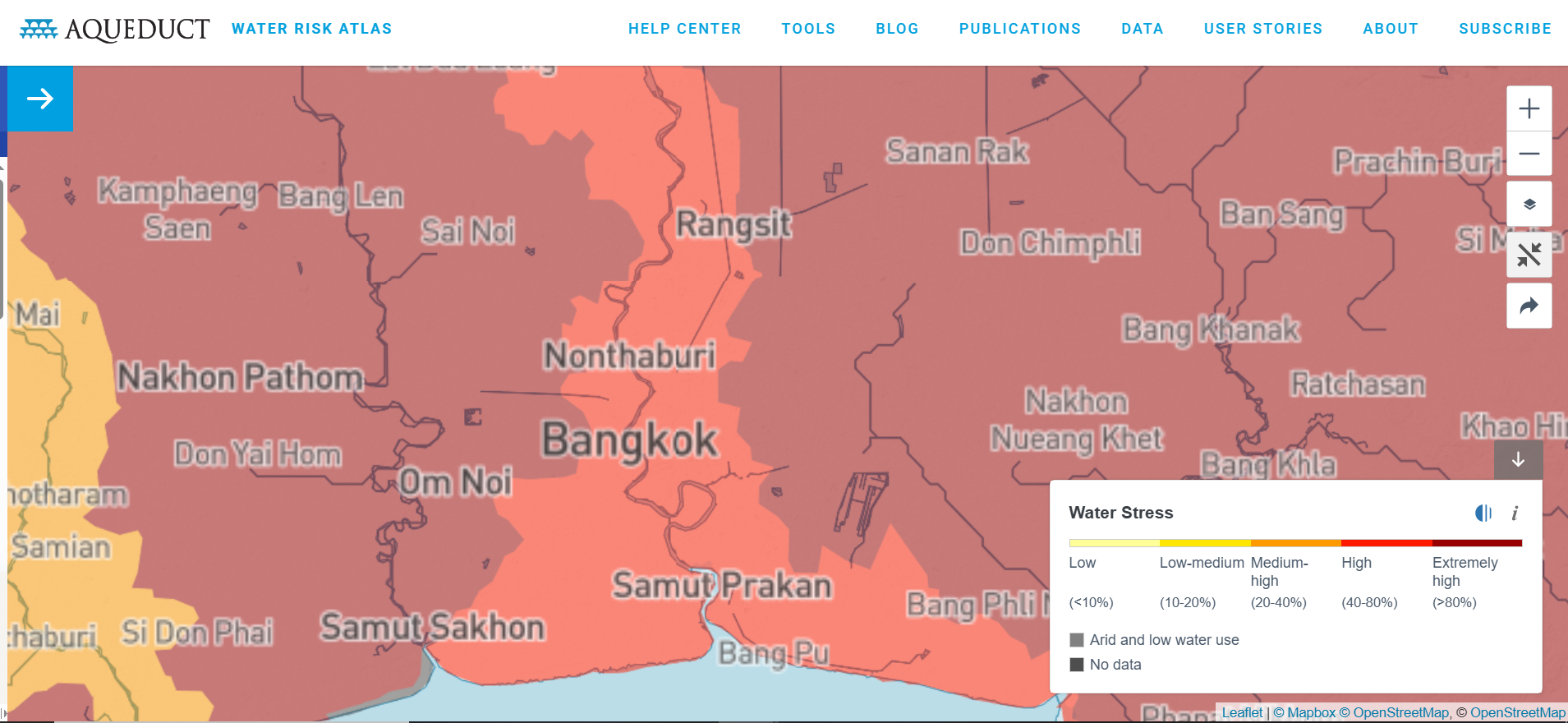
According to the water stress data from the AQUEDUCT Water Risk Atlas, the area where the Company is located, Chatuchak District, Bangkok, is classified as a “High Water Stress” area (40–80%). This indicates that water usage is approaching the limits of available water resources, reflecting a high level of competition for water, even though the area may not be experiencing water scarcity.
Water — Withdrawal, Discharge & Consumption
Water Withdrawal, Discharge & Consumption
| Metric | Current Year | Previous Year | Two Years Ago |
|---|---|---|---|
| Total water withdrawal (Cubic meters) | |||
| Total water withdrawal by third-party water (Cubic meters) | |||
| Total water withdrawal by surface water (Cubic meters) | |||
| Total water withdrawal by groundwater (Cubic meters) | |||
| Total water withdrawal by seawater (Cubic meters) | |||
| Total water withdrawal by produced water (Cubic meters) | |||
| Percentage of wastewater treated before discharge (%) | |||
| Total water discharge (Cubic meters) | |||
| Total water discharge to third-party water (Cubic meters) | |||
| Total water discharge to surface water (Cubic meters) | |||
| Total water discharge to groundwater (Cubic meters) | |||
| Total water discharge to seawater (Cubic meters) | |||
| Total water consumption (Cubic meters) | 239.36 | 242.14 | 224.3 |
| Recycled water (Cubic meters) |
Water — Targets
Has Set Targets
No
Water — Performance & Outcomes
Has Performance Results
Yes
Performance Description
In 2025, the Company’s water consumption decreased by approximately 1% compared to the previous year, despite an 8% increase in the number of employees. This reflects the employees’ collective cooperation in using resources efficiently and their awareness of the importance of sustainable water management.
Waste — Plan & Guidelines
Has a Waste Management Plan
Yes
Plan Description
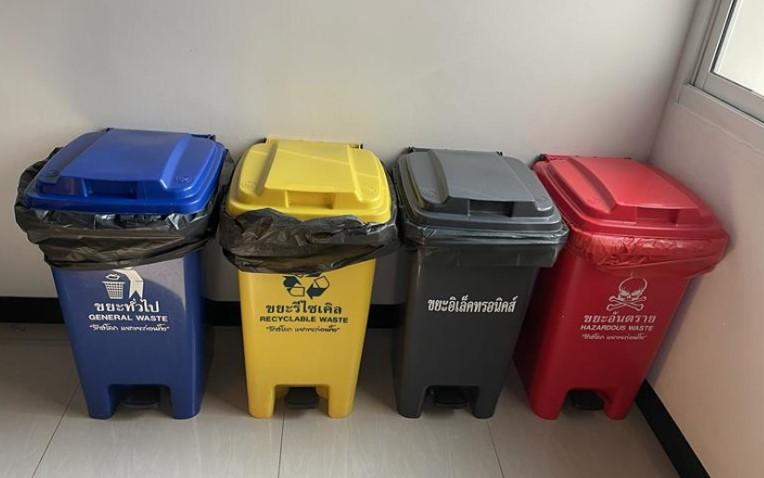
The Company prioritizes waste separation, which is a crucial mechanism for reducing waste volume and enhancing the efficiency of end-of-life management processes. Proper waste separation ensures that waste can enter appropriate disposal or recycling processes, reducing environmental impact and mitigating the overall waste problem. In 2025, the Company continues to implement its waste separation project, providing bins for 4 types of waste: 1) general waste, 2) recyclable waste, 3) Electronic waste and 4) Hazardous waste To align with proper hygienic waste management guidelines, for waste management, the Company will coordinate with government agencies for appropriate waste collection and disposal. Waste types will be clearly indicated on the bags to ensure the waste management process is simpler and more efficient.
Examples of waste separation within the organization
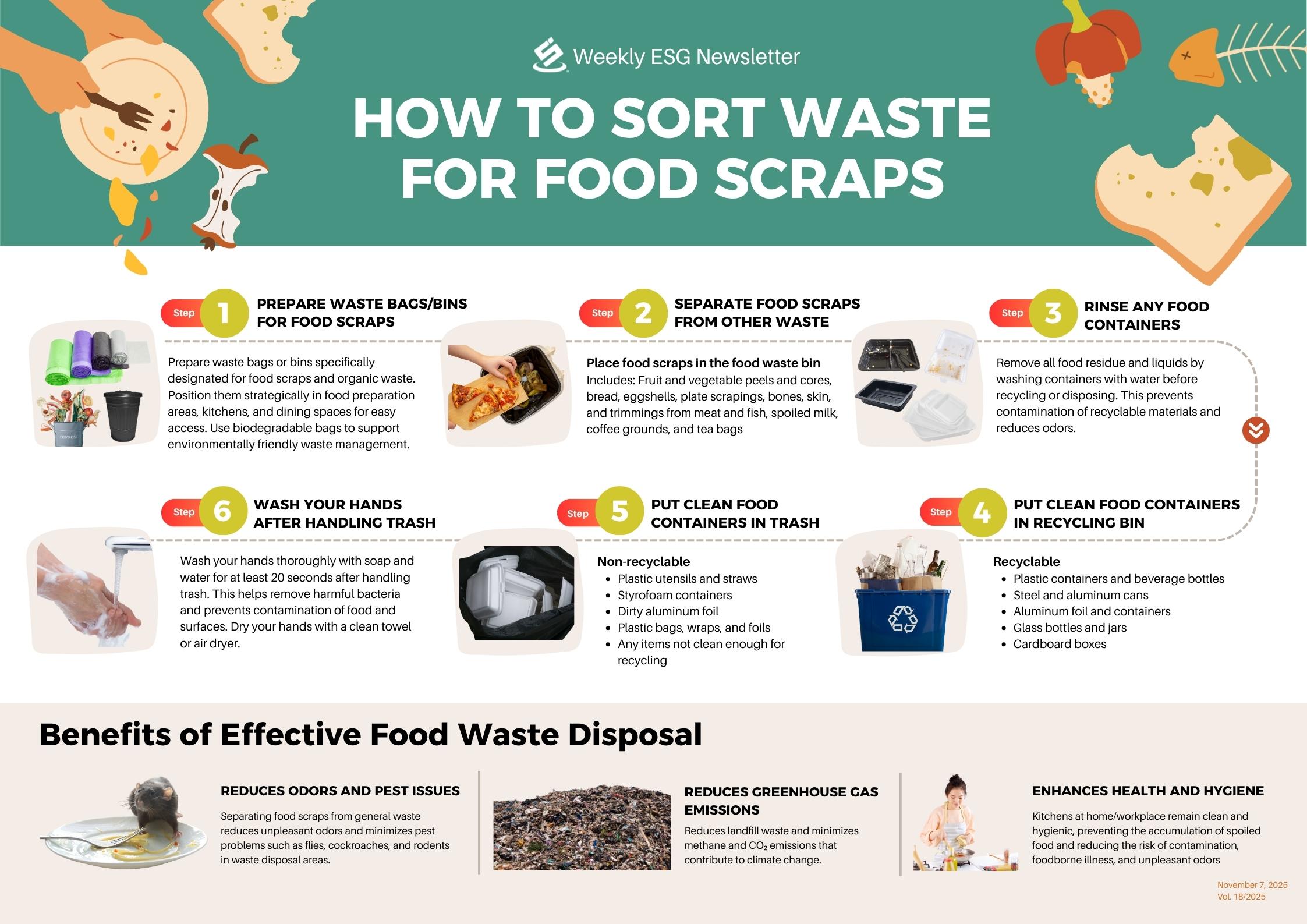
In addition, the Company continuously communicates and raises awareness among employees regarding waste separation through regular email channels, to foster correct understanding and promote appropriate behaviors, such as cleaning containers before disposal, to reduce unpleasant odors and minimize the risk of disease accumulation.
Examples of internal communication media
Waste — Generation, Disposal & Recycling
Waste Generation, Disposal & Recycling
| Metric | Current Year |
|---|---|
| Total waste generated (Kilograms) | |
| Non-hazardous waste (Kilograms) | |
| Non-hazardous waste - Landfilling (Kilograms) | |
| Non-hazardous waste - Incineration (with energy recovery) (Kilograms) | |
| Non-hazardous waste - Incineration (without energy recovery) (Kilograms) | |
| Non-hazardous waste - Other disposal operations (Kilograms) | |
| Hazardous waste (Kilograms) | |
| Hazardous waste - Landfilling (Kilograms) | |
| Hazardous waste - Incineration (with energy recovery) (Kilograms) | |
| Hazardous waste - Incineration (without energy recovery) (Kilograms) | |
| Hazardous waste - Other disposal operations (Kilograms) | |
| Total reused/recycled waste (Kilograms) | 306.5 |
| Reused/Recycled non-hazardous waste (Kilograms) | |
| Reused non-hazardous waste (Kilograms) | |
| Recycled non-hazardous waste (Kilograms) | |
| Reused/Recycled hazardous waste (Kilograms) | |
| Reused hazardous waste (Kilograms) | |
| Recycled hazardous waste (Kilograms) |
Waste — Targets
Has Set Targets
No
Waste — Performance & Outcomes
Has Performance Results
Yes
Performance Description
In 2025, the Company initiated a food packaging management project. This involved providing lunch boxes to employees on days when most staff were present at work. Used lunch boxes are collected, cleaned, and then passed on to individuals who can reuse them. This initiative not only helps reduce waste but also supports the principles of the Circular Economy and promotes the recycling of resources. As a result of this project, the Company was able to reuse 100% of all food packaging, reflecting the effectiveness of resource management and employee participation in driving the organization towards sustainability.
Furthermore, in 2025, which marks the first year the Company systematically began collecting data on recyclable waste volume, the Company successfully collected a total of 306.50 kilograms of recyclable waste. This was divided into 193.30 kilograms of paper waste and 113.20 kilograms of plastic waste. The purpose of this data collection is to establish a database for monitoring and evaluating waste management efficiency, as well as to inform the setting of future waste management targets and guidelines. Moreover, it helps foster awareness and employee participation in proper waste segregation, which is a crucial factor in enhancing the organization's resource management efficiency.
GHG — Plan & Guidelines
Has a GHG Management Plan
Yes
Plan Description
1) Climate Management
The Company conducted a carbon footprint for organization (CFO) assessment in accordance with the requirements for calculating and reporting organizational carbon footprints (Revised Edition 6, July 2022) by the Thailand Greenhouse Gas Management Organization (TGO) to assess greenhouse gas emissions resulting from the organization's operations and various activities, and to use it as a tool for calculating the greenhouse gas emissions generated.
In 2025, for the first time, the Company collected organizational greenhouse gas emissions data covering Scopes 1, 2, and 3. The objective is to enable the Company to measure greenhouse gas emissions more comprehensively and to lead to planning towards setting targets for carbon neutrality and net-zero greenhouse gas emissions in the future. The organizational carbon footprint assessment for 2025 was verified and certified by verifiers accredited by the Thailand Greenhouse Gas Management Organization (TGO), namely the Greenhouse Gas Management Certification Unit, University of Phayao, by Assoc. Prof. Dr. Saksit Imman and Asst. Prof. Dr. Nopparat Suriyachai.
2) Environmental Conservation Projects
The Company prioritizes reducing environmental impact while also participating in natural resource restoration. It has established proactive guidelines for environmental projects through employee participation and collaboration with external organizations annually, with the objective of creating positive value in both ecological and social aspects sustainably.
For the implementation of environmental conservation projects each year, the Company focuses on selecting activities that align with the local context, such as planting native tree species to restore ecosystems and promote biodiversity, or planting mangrove forests, coupled with designing activities for direct employee participation to enhance knowledge, understanding, and environmental conservation awareness. The Company believes that its environmental conservation projects will be part of supporting overall greenhouse gas management approaches, particularly in the dimension of increasing green areas which serve as natural carbon dioxide sinks in the future.
GHG — Emissions
GHG Emissions
| Metric | Current Year | Previous Year | Two Years Ago |
|---|---|---|---|
| Total GHG emissions (Metric tonnes of carbon dioxide equivalent) | 533 | 135 | 139 |
| Total greenhouse gas emissions 1 (Metric tonnes of carbon dioxide equivalent) | 8 | 8 | 20 |
| Total greenhouse gas emissions 2 (Metric tonnes of carbon dioxide equivalent) | 117 | 127 | 119 |
| Total greenhouse gas emissions 3 (Metric tonnes of carbon dioxide equivalent) | 408 |
GHG — Emissions Verification
Emissions Verified by a Third Party
Yes
Verifying Body
2652
Verification Document Link
https://eonemedia.setlink.set.or.th/report/1524/2025/1773795865477.pdf
Verification Web Page
https://investor.sic.co.th/storage/download/carbon-footprint-for-organization/202060306-sict-carbon-footprint-for-organization-2025-en.pdf
GHG — Principles & Standards
Principles & Standards Applied
| Standard |
|---|
| 2671 |
| 2676 |
GHG — Targets
Has Set GHG Targets
Yes
GHG Targets — Other Targets
Other GHG Targets
| Emission Scope | Base Year | Base Year Emissions | Near-term Target Year | Near-term Target Change (%) | Target Year | Target Change (%) | Unit |
|---|---|---|---|---|---|---|---|
| 2715 | 2,023 | 139 | 2,026 | 5 | 2,026 | 5 | Metric tonnes of carbon dioxide equivalent |
GHG — Performance & Outcomes
Has Performance Results
Yes
Performance Description
1) Climate Management
In 2025, the Company's direct greenhouse gas emissions (Scope 1) amounted to 8 tCO2e, and indirect greenhouse gas emissions from energy consumption (Scope 2) amounted to 117 tCO2e. The total Scope 1 and 2 greenhouse gas emissions were 125 tCO2e, compared to the base year (2023), which had total Scope 1 and 2 greenhouse gas emissions of 139 tCO2e, the Company was able to reduce greenhouse gas emissions by 14 tCO2e, or 10.1%, which is higher than the set target for emission reduction for scope 1 and 2 Greenhouse Gas Emissions at 5 percent from the base year.
Furthermore, the Company has successfully collected data and undergone assessment for other indirect greenhouse gas emissions (Scope 3). This achievement is ahead of the planned target for completing the Scope 3 corporate carbon footprint by 2026, in preparation for setting long-term goals for Carbon Neutrality and Net Zero emissions. The Company has collected and assessed greenhouse gas emissions Scope 3 in the category of purchased goods and services, which are crucial raw materials for microchip production, for the first year, with greenhouse gas emissions totaling 408 tCO2e. This results in total greenhouse gas emissions across Scope 1, 2, and 3 amounting to 533 tCO2e. which accounts for 0.7724 tCO2e per 1 million baht of revenue (Carbon Intensity)
Regarding Scope 3 greenhouse gas emissions in the category of purchased goods and services, which are crucial raw materials for microchip production, these constitute the main proportion of the organization's total greenhouse gas emissions, with an emission volume of as follows:
Group (Categories) | 2025 | Unit |
Purchased Goods and Services
| 236 172 | tons of carbon dioxide equivalent, tCO2e tons of carbon dioxide equivalent, tCO2e |
Total | 408 | tons of carbon dioxide equivalent, tCO2e |
The data collection process Scope 3 Greenhouse Gas Emissions is considered a significant step in laying the foundation for greenhouse gas management, as it is complex and involves the supply chain. The data obtained this year will be used as a basis for defining future greenhouse gas reduction guidelines.
2) Environmental Conservation Project
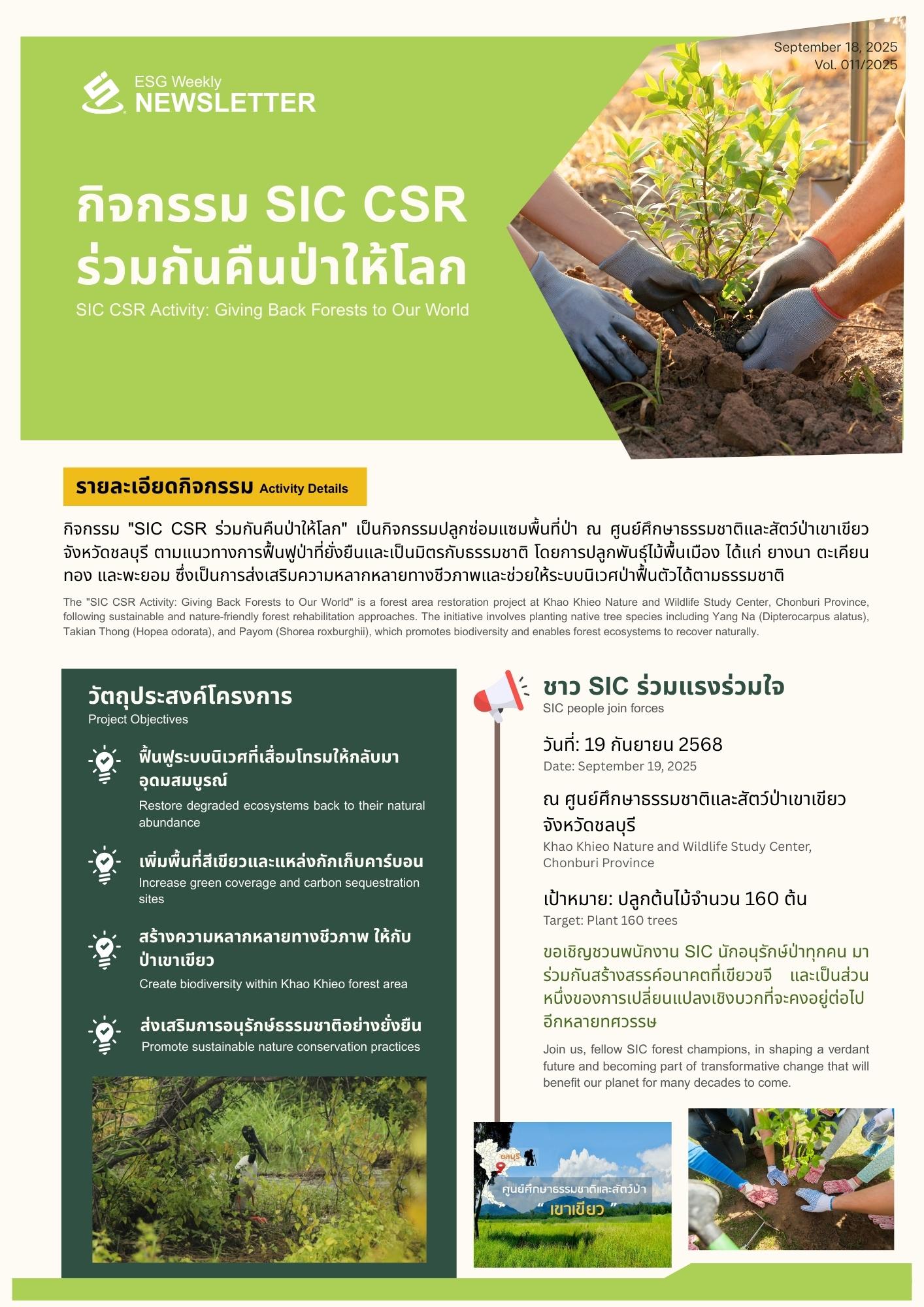
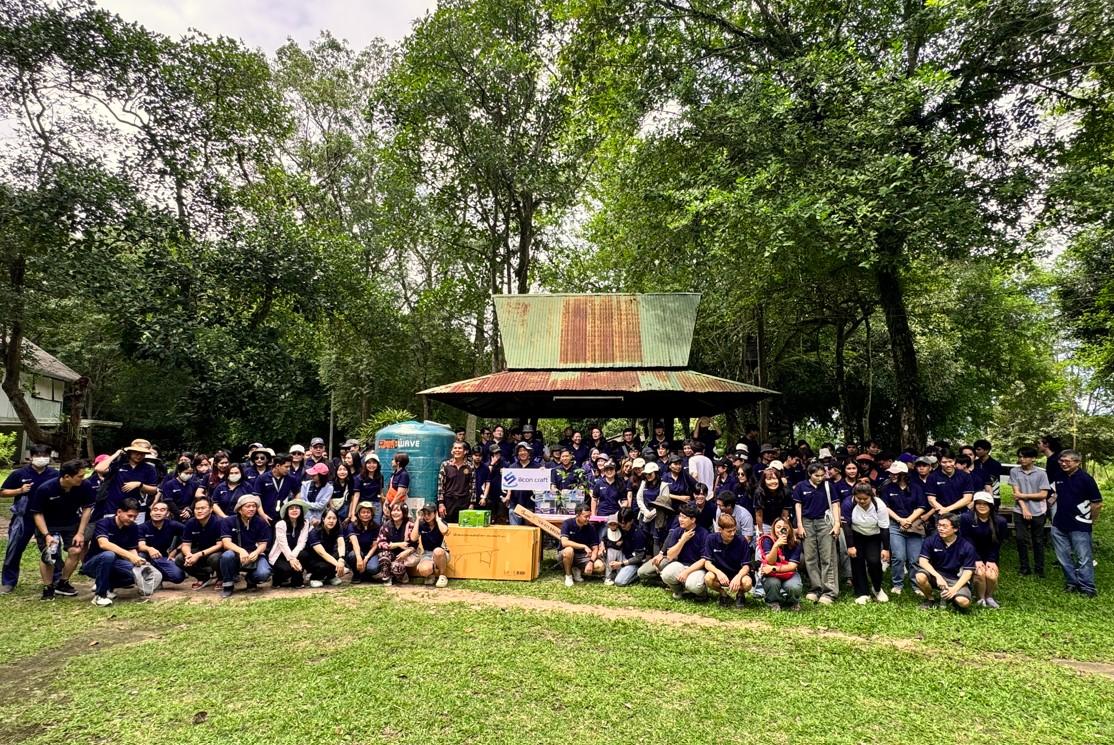
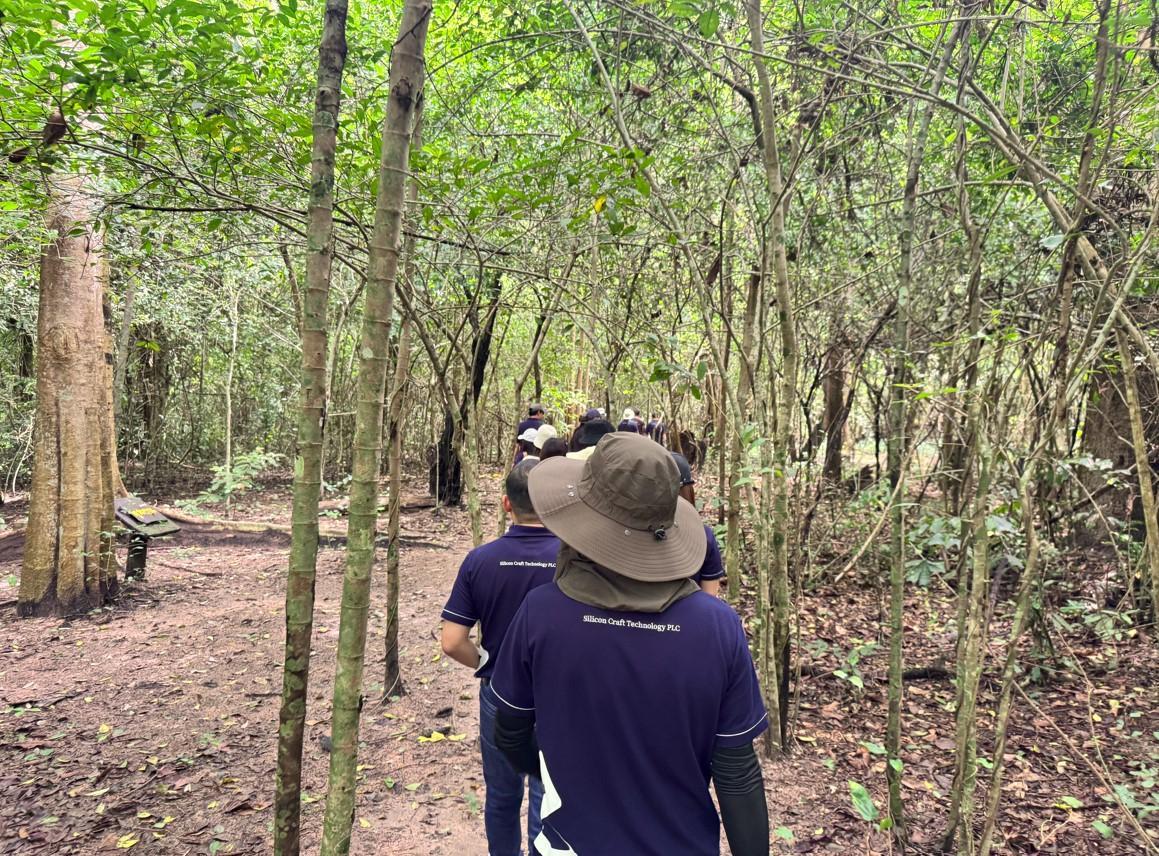
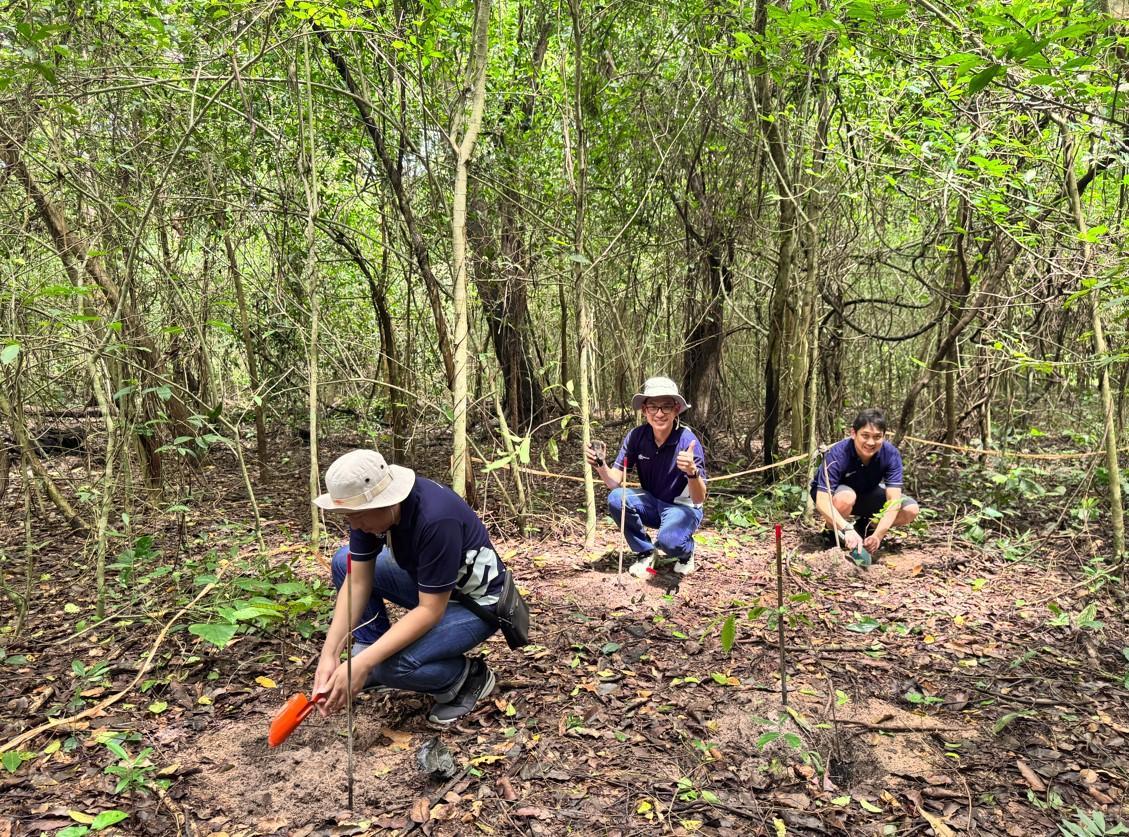
In 2025, the Company implemented the “SIC CSR: Restoring Forests to the World” project. On September 19, 2025, the Company took employees to plant over 160 native trees at the Khao Kheow Nature and Wildlife Education Center in Chonburi Province, aiming to restore forest areas, increase green spaces, and consequently allow the ecosystem to recover, providing wildlife with habitats and enabling them to live naturally.
In addition to environmental benefits, this activity also helps foster awareness and consciousness regarding natural resource conservation among employees, leading to concrete participation in driving the organization's sustainability initiatives. It also promotes good internal relationships and creates an organizational culture that considers environmental aspects alongside business growth.
Image of tree planting activity at Khao Kheow Nature and Wildlife Education Center, Chonburi Province
Environmental Legal Incidents
Legal Violation Incidents
| Metric | Current Year | Previous Year | Two Years Ago |
|---|---|---|---|
| Number of cases or incidents of legal violations or negative environmental impact (cases) | 0 | 0 | 0 |
Employees — Plan & Guidelines
Has an Employee Management Plan
Yes
Plan Description
Employment/Termination
The Company has established a Human Resources Management Policy that focuses on equality and respect for the human rights of stakeholders, consistent with the Company's human rights policy. It also defines action plans and promotes efficient and effective human resource management within the organization, with operational details as follows:
The Company will control and prevent forced labor and bonded labor (including debt bondage), whether voluntary or involuntary, and will not allow individuals to be forced into work or employment through threats, coercion, intimidation, abduction, or deception.
The Company will not employ, be involved in, or support the use of child labor, directly or indirectly. The Company has set the minimum age for employees to be hired at not less than 18 years old, with the exception of legally compliant learning internships and related regulations.
The Company recognizes the potential impacts of operations and is committed to ensuring that normal working hours and overtime hours do not exceed 60 hours per week, comprising no more than 40 normal working hours per week and no more than 20 overtime hours per week. Exceptions may be made for emergencies or unusual circumstances, allowing work beyond these limits. However, overtime work must be voluntary for employees, and it will be controlled not to exceed legal limits.
In determining compensation and welfare for employees, the Company will consider and act fairly, appropriately to the nature and characteristics of the work, performance results, and the Company's capabilities, without violating human rights principles and in compliance with legal requirements.
The Company will establish and enforce measures to promote humane treatment, prohibiting violence or inhumane acts, including gender-based violence, sexual harassment, sexual abuse, severe punishment, psychological or physical threats and intimidation, bullying, public humiliation, or verbal abuse, or even threats of such actions.
The Company will promote and oversee to prevent harassment and discrimination based on ethnicity, skin color, age, gender, sexual orientation, gender identity or expression, race or origin, disability, pregnancy, religion, political affiliation, protected genetic information, or marital status in employment and operations.
Employees or employee representatives can openly communicate, share ideas, and express concerns with management regarding working conditions and operational methods, without fear of discrimination, punishment, intimidation, or harassment.
The Company employs without gender discrimination, with the proportion of employees by gender as follows:
Number of Employees (persons) | As of year-end 2023 | As of year-end 2024 | As of year-end 2025 |
Male Employees | 101 | 112 | 125 |
Female Employees | 63 | 58 | 58 |
Total | 164 | 170 | 183 |
In 2025, the Company had the following number of male and female employees, categorized by age:
Age Range | Male Employees (persons) | Female Employees (persons) | Total |
Under 30 years old | 43 | 10 | 53 |
Age 30-50 years | 74 | 41 | 115 |
Over 50 years | 8 | 7 | 15 |
Total | 125 | 57 | 183 |
Compensation and Welfare for Employees
The Company has a policy to determine appropriate and fair compensation for employees. Salary increase criteria are based on job characteristics, responsibilities, employee performance evaluation levels, market wage rates, and various operating results of the Company. The Company monitors market trends and industry businesses to set appropriate compensation standards, which must comply with legal requirements.
Employee Knowledge and Potential Development
The Company has a policy to promote sustainable training and development for all personnel, including supporting employees in necessary training and skill development, and regularly subsidizing work-related tuition fees annually. The Human Resources Department will conduct surveys of employee training needs and preferences, sending them to supervisors in various departments to collectively gather data, analyze, and plan annual employee training. This contributes to supporting work efficiency and enhancing employee knowledge and capabilities.
The Company promotes personnel development starting with the orientation of new employees to inform them about business policies, business ethics manuals, and work practices, company business information, technology, products, as well as knowledge on sustainable development. During their work, employees receive on-the-job training from supervisors and learn through practical experience, including participating in academic training and seminars from internal and external organizations related to their work to enhance their knowledge, skills, and keep pace with global technological changes. The training courses are designed to promote employee skills aligned with the organization's strategic direction and to enable company personnel to perform at their full potential, striving for the sustainable success of the organization's goals, and prepare for their own career growth. Additionally, internal departments within the organization regularly disseminate informative content on sustainability and various risk management topics via email to all employees, fostering awareness in the operations of all organizational units.
In 2025, the Company organized employee training courses and sent employees for training in both job-related knowledge skills and emotional skills to enhance their work skills and potential. The average training hours per employee increased from 25 hours/person/year in the previous year to 28 hours/person/year. The total budget for employee training and development in 2025 was 2,255,412.52 Baht.
Examples of various training courses in 2025 are as follows:
The Company has continuously participated in the ESG DNA training program for the second time, aiming to help employees understand ESG principles and instill a sustainability DNA. More than 70% of all employees participated in the training and passed the assessment.
Technical English Writing for Engineers: Training organized to develop technical English writing skills for engineers, focusing on systematic and accurate content arrangement to support the preparation of patent documents and international engineering documents.
ADC Design Training: An ADC circuit design training was organized, inviting Associate Professor Dr. Woradorn Wattanapanich from Kasetsart University to deliver a lecture. Personnel from companies in the same industry were also invited to participate, fostering the exchange of technical knowledge and experience.
Advance ADC Design: An in-depth ADC design course was organized, inviting Prof. Ryu, Seung-Tak from Korea Advanced Institute of Science & Technology (KAIST), Daejeon, as a lecturer to impart advanced knowledge, aiming to enhance the engineering team's potential to develop complex and internationally competitive technologies.
Leadership Development Program: Training organized to develop leadership skills for supervisors and talent groups, focusing on enhancing team management, communication, decision-making, and effective performance drive.
V93000 SmarTest 8 Basic User Training: Four employees were sent to Penang, Malaysia, for training to enhance their knowledge and skills in using advanced testing systems, thereby elevating the organization's capabilities in testing technology.
Caring for employees to have a good quality of life and safety at work
The Company consistently prioritizes and considers the safety of employees at all levels. It has established policies that support employees in working safely and maintaining good occupational hygiene, such as improving the work environment to be safe and convenient, implementing a hybrid work policy, providing clean and hygienic drinking water and beverages for employees, purchasing ergonomic chairs for employees in all departments, and further improving the workplace, among others.
Furthermore, in 2025, the Company organized fire extinguishing and evacuation training on September 26, 2025, to raise awareness among company personnel about the importance of safety and to provide knowledge and understanding in preventing harm to life and property, preparing them to respond to fire emergencies. During this drill, the Company simulated a realistic scenario, including sounding a fire alarm to prompt building occupants to evacuate and gather at the designated assembly point in the outdoor parking lot. Additionally, the Company arranged facilities and activities to promote employees' good quality of life, such as football and badminton clubs, basic life support (BLS) training for employees, and AED usage training, health massage activities for employees, and providing information on accessing medical treatment at healthcare facilities according to employee rights and welfare provided by the Company. Moreover, the Company also conducts public relations and surveys on Psychological Safety in the Workplace (Psychological Safety Index) to gauge feelings of psychological safety at work, serving as a channel for problem-solving and improving work practices for employees, conducted annually.
Promoting employee health and disease prevention
Currently, the Company provides comprehensive welfare management for promoting employee health and disease prevention, including health insurance that covers life, accident, and health, encompassing both outpatient and inpatient illnesses. Furthermore, the Company provides subsidized vaccines to ensure employees have access to appropriate disease prevention processes before outbreaks, in line with WHO policies and educational materials. This also includes disseminating knowledge on self-protection against seasonal epidemics through company-produced and distributed media.
In 2025, no work-related accidents, absenteeism rates, or illness rates among employees were found.
Employee Motivation and Retention
The Company recognizes that employees are one of the key pillars for the organization's sustainable growth. Therefore, the Company focuses on developing employee engagement by consistently measuring and evaluating employee commitment to the organization. This is done to survey employees' opinions and important issues regarding the organization, such as participation in various activities, job satisfaction, and overall work experience with the Company, in order to arrange and develop welfare benefits, skill development, and activities promoting organizational participation to create motivation and enhance employee work efficiency.
The employee engagement score for the organization in 2025 was 78.0%, a slight decrease from 80.6% in 2024.
2023 | 2024 | 2025 | |
Employee Engagement Score for the Organization | 77.8% | 80.6% | 78.0% |
The Company provides various beneficial welfare benefits for employees, both short-term and long-term, to support and assist employees in various aspects, both legally mandated and beyond, to motivate and retain high-potential employees. These include social security, provident fund, group insurance, group life insurance, wedding assistance benefits, childbirth assistance benefits, educational assistance for children, funeral assistance benefits, annual health check-ups, annual company trips, and the Strategic Leadership Development Program, which focuses on developing leadership skills for senior and middle management, as well as high-potential employees who are crucial for driving sustainable organizational growth. It also includes advanced engineering knowledge development for employees by domestic and international faculty from leading institutions such as Kasetsart University, King Mongkut's Institute of Technology Ladkrabang, and Korea Advanced Institute of Science and Technology (KAIST). Furthermore, during 2025, at the 3/2025 Board of Directors meeting on May 15, 2025, a resolution was passed to approve the continuation of the Employee Joint Investment Program (EJIP) as its 6th iteration, aimed at retaining high-potential employees by providing incentives and fostering their participation in business ownership.
Additionally, in 2025, the Company organized activities for employees under 4 main dimensions to motivate and support employees in various aspects, with guidelines and examples of activities as follows:
Dimension | Activities |
Physical Health (Physical) | To promote good health for employees, such as the SIC Club or various sports clubs within the Company, including badminton, football, and running, as well as health massage activities, and a distance-running competition to raise funds for the Children's Hospital. Upon completion of the competition, the Company ran a total of 1,750 km and donated 35,000 Baht to the hospital. Additionally, BLS Training activities are provided to enable employees to learn how to assist victims promptly in emergencies, and knowledge about various aspects of physical health care is regularly disseminated. |
Mental Health | To promote employees' mental well-being, such as the SIC Care Club activity, which provides meeting times for employees to discuss general matters or various issues with the Human Resources Manager, and disseminates knowledge on maintaining strong mental health to cope robustly with various situations. |
Financial | To promote good financial management concepts among employees, such as lectures on tax knowledge, various forms of savings, and investments in different types of funds from Krungthai Bank, AXA, and Bank of Ayudhya. |
Social Aspect | To allow all employees to have time to meet, talk, and participate in various company activities together, such as organizing Knowledge Collab activities to discuss and share knowledge and work experiences among colleagues, organizing Songkran water pouring ceremonies for elders and sharing Thai desserts, SIC Market activities, New Year party, Outing & Team building, CSR tree planting activities at Khao Kheow Open Zoo and Wildlife Sanctuary, Chonburi Province, board game activities, etc. |
Furthermore, the Company has a policy to support and allocate budgets for the establishment of employee clubs. Employees can form clubs by gathering a group of 5 or more individuals to engage in creative activities that promote well-being and benefit employees in various aspects. Clubs eligible to participate in the employee club welfare policy must be related to the following matters:
Activities promoting physical, emotional, social, intellectual, and spiritual well-being
Employee recreational activities, such as dance clubs, games, etc.
Activities to enhance employee knowledge and capabilities, such as the Artificial Intelligence (AI) Design Club, etc.
Activities that promote Environmental, Social, and Governance (ESG) principles, or activities that support Corporate Social Responsibility (CSR)
Collective bargaining for employee benefits
The Company recognizes the importance of fair and equitable treatment for employees at all levels of the organization, without exception. This is stipulated in the Company's Human Resources Management Policy, which covers employment, compensation and welfare for employees, and the establishment and control of humane practices. The Company has established a Welfare Committee, elected by employee votes, to represent employees in discussing, inspecting, controlling, and overseeing various welfare provisions for employees in conjunction with the company, ensuring fairness and appropriateness every 2 years.
The Company has established a Welfare Committee comprising at least 5 employee representatives, with the following powers:
Discuss with the Company to arrange welfare benefits for employees.
Provide consultation and offer opinions to the Company regarding employee welfare arrangements.
Inspect, control, and oversee the welfare provisions provided by the Company to employees.
Propose opinions and guidelines for arranging beneficial employee welfare.
Furthermore, a Recreation Committee has been established in accordance with the Labor Protection Act B.E. 2541 (1998), which encourages employees to participate in offering opinions, jointly managing welfare budgets, and providing opportunities for employees to represent their departments in allocating recreational activities and related contexts appropriately and for the maximum benefit of employees.
Employee Engagement
The Company prioritizes employee engagement and well-being through various creative activities designed to foster a positive and collaborative work environment. The Company's engagement activities include:
Quarterly Town Hall Meetings: This meeting serves as an open forum for all employees to receive updates on company performance, share ideas, and discuss future plans. This transparent communication helps ensure everyone is aligned with our goals and values.
Annual Engagement Survey: This survey is conducted once a year to allow employees to express their opinions on various aspects of their work experience. The insights gained are crucial for identifying areas for improvement and implementing changes to enhance employee satisfaction.
Psychological Safety Survey in the Workplace: Conducted once a year to survey employees' feelings of safety in expressing opinions, asking questions, admitting mistakes, or proposing new ideas without being criticized, devalued, or impacting their career progression.
Organizing focus group interviews: To gather employee opinions on various matters, using the information to improve the quality of life at work and enhance efficient collaborative work practices.
Annual Company Trip: To promote relationship building and relaxation outside the workplace, providing an opportunity for employees to connect on a personal level and strengthen team cohesion.
New Year's Party: A celebration of the new year together. This event is filled with fun activities, entertainment, and recognition of the team's efforts and achievements, creating a positive atmosphere for the year ahead.
Annual Company Merit-Making Ceremony: This ceremony is a tradition that reflects respect for culture and fosters a sense of community within the workplace. It is a time for team members to gather and wish for a prosperous new year.
These activities are crucial components that the Company consistently strives to create, fostering an engaging work environment for employees. The Company aims to boost morale, promote a sense of belonging, and drive collective success for the Company.
Plan Areas
| Plan Area | Other — Please Specify |
|---|---|
| Fair employee compensation | |
| Employee training and development | |
| Promoting employee relations and participation | |
| Migrant/foreign labor | |
| Child labor | |
| Occupational health and safety in workplace | |
| Others | Treatment of Employees, Human Rights |
Employees — Workforce
Workforce Data
| Metric | Current Year | Previous Year | Two Years Ago |
|---|---|---|---|
| Total number of employees (Persons) | 183 | 170 | 164 |
| Number of male employees (Persons) | 125 | 112 | 101 |
| Number of female employees (Persons) | 58 | 58 | 63 |
| Total employment of disabled persons (people) | 2 | 2 | 1 |
| Total disabled employees (people) | |||
| Total male disabled employees (people) | |||
| Total female disabled employees (people) | |||
| Total disabled workers who are non-employee (people) | 2 | 2 | 1 |
| Contributions to the fund for promoting and improving the quality of life for disabled persons | 1 | 1 | 1 |
| Total number of male employees in operational level (Persons) | 99 | 92 | 77 |
| Total number of male employees in management level (Persons) | 21 | 15 | 19 |
| Total number of male employees in executive level (Persons) | 5 | 5 | 5 |
| Total number of female employees in operational level (Persons) | 48 | 47 | 52 |
| Total number of female employees in management level (Persons) | 10 | 11 | 11 |
| Total number of female employees in executive level (Persons) | 0 | 0 | 0 |
Employees — Remuneration & Provident Fund
Remuneration & Provident Fund
| Metric | Current Year | Previous Year | Two Years Ago |
|---|---|---|---|
| Total disabled employees (people) | 166,506,294.95 | 156,183,252.68 | 137,064,070.03 |
| Total male employee remuneration (Baht) | 112,251,434.8 | ||
| Total female employee remuneration (Baht) | 54,254,860.15 | ||
| Number of employees eligible to participate in PVD (persons) | 183 | 170 | 164 |
| Total number of employees joining employee provident fund (Persons) | 146 | 128 | 123 |
| Percentage of total number of employees joining employee provident fund to total number of employees (%) | 79.78 | 75.29 | 75 |
| Number of PVD members / Total eligible employees (%) | 79.78 | 75.29 | 75 |
| Total amount of provident fund contributed by the Company (Baht) | 5,247,757 | 4,775,124 | 4,104,421.71 |
| Total amount of provident fund contributed by employee (baht) |
Employees — Training & Development
Training Data
| Metric | Current Year | Previous Year | Two Years Ago |
|---|---|---|---|
| Average employee training hours (Hours / Person / Year) | 28 | 25 | 23 |
| Employee development and training expenses (baht) | 2,255,412.52 | 1,853,376.94 | 1,905,289.43 |
Employees — Occupational Health & Safety
Occupational Health & Safety Data
| Metric | Current Year | Previous Year | Two Years Ago |
|---|---|---|---|
| Total number of lost time injury incidents by employees (Cases) | 0 | 0 | 0 |
Employees — Labour Relations
Labour Relations Data
| Metric | Current Year | Previous Year | Two Years Ago |
|---|---|---|---|
| Total voluntary resignations (Persons) | 13 | 14 | 10 |
| Male employees who voluntary resigned (Persons) | 8 | 8 | 5 |
| Female employees who voluntary resigned (Persons) | 5 | 6 | 5 |
| Percentage of employee turnover leaving the Company voluntarily (%) | 7.1 | 8.4 | 6.8 |
| Evaluation result of employee engagement | 1 | 1 | 1 |
Employees — Employee Representation
Employees Are Represented Collectively
Yes
Forms of Representation
| Form | Other — Please Specify |
|---|---|
| Welfare committee | |
| Others | Activities Relations Committee |
Employees — Targets
Has Set Employee Targets
Yes
Targets
| Indicator | Target Areas | Base Year | Base Year — Description | Target Year | Target Year — Description |
|---|---|---|---|---|---|
| Training hours per employee per year | 2984 · Description: Employee training and development | 2,022 | Employees receive an average of 20 hours of development and training per person per year. | 2,026 | Employees receive an average of 25 hours of training and development per person per year. |
| Number of injuries, illnesses, and fatalities from operations | 2988 · Description: Safety and occupational health at work | 2,022 | No injuries, illnesses, or fatalities from operations. | 2,026 | No injuries, illnesses, or fatalities from operations. |
| Turnover rate for engineers in key positions | 2990 · Other name: Employee retention · Description: Others | 2,022 | The turnover rate for engineers in critical positions is 3.9%. | 2,026 | The turnover rate for engineers in critical positions does not exceed 5%. |
| Number of complaints regarding human rights and occupational safety escalated to legal proceedings. | 2990 · Other name: Human Rights · Description: Others | 2,022 | No complaints regarding human rights and occupational safety were brought to court. | 2,026 | No complaints regarding human rights and occupational safety were brought to court. |
Employees — Performance & Outcomes
Has Performance Results
Yes
Performance Description
Employee Training and Development: In 2025, an average of 28 hours per person per year of employee development and training courses (excluding C-Level) were provided, which exceeded the target of 25 hours per person per year.
Occupational Safety and Health: In 2025, there were no injuries, illnesses, or fatalities from operations, which met the target.
Employee Retention: In 2025, the turnover rate for engineers in critical positions was 3.9%, which was better than the target of not exceeding 5%. The Company continuously implements personnel retention plans, such as the Retention Program, with the EJIP project continuing as the 6th project to retain high-potential employees by creating incentives and opportunities for co-ownership, and the Strategic Leadership Development Program, which focuses on developing leaders and high-potential employees who are key forces ready to drive the organization's sustainable growth.
Human Rights: There were no human rights or occupational safety complaints escalated to legal proceedings, which met the target.
Customers — Plan & Guidelines
Has a Customer Management Plan
Yes
Plan Description
Development of Customer Satisfaction and Customer Relationship Management
The Company conducts annual customer satisfaction evaluations to utilize the results as a guideline for enhancing customer satisfaction and continuously developing the Company's products and services. Customer satisfaction surveys are conducted among the Company's customer base in various countries worldwide across four main dimensions: 1. Product, 2. Sales Representative, 3. Technical Support, and 4. Logistics. Additionally, branding is also surveyed. Upon receiving the survey results, the Company analyzes them and develops plans to further improve sales performance, products, and services.
Plan Areas
| Plan Area |
|---|
| Development of customer satisfaction and customer relationship |
Customers — Satisfaction Results
Customer Satisfaction Results
| Metric | Current Year | Previous Year | Two Years Ago |
|---|---|---|---|
| Evaluation results of customer satisfaction | 1 | 1 | 1 |
Customers — Targets
Has Set Customer Targets
Yes
Targets
| Indicator | Target Areas | Base Year | Base Year — Description | Target Year | Target Year — Description |
|---|---|---|---|---|---|
| Customer Satisfaction Rate | 3009 · Description: Development of customer satisfaction and customer relationship | 2,022 | The customer satisfaction rate is 87.6 percent. | 2,026 | has a customer satisfaction rate exceeding 90 percent |
Customers — Performance & Outcomes
Has Performance Results
Yes
Performance Description
For the year 2025, the Company achieved a customer satisfaction rate of 94.2%, an increase from the previous year's 90.4%. Scores improved across all dimensions. Overall, the Company's customer satisfaction rate remains consistently high.
2023 | 2024 | 2025 | |
Customer satisfaction rate | 92.0% | 90.4% | 94.2% |
Community & Social — Plan & Guidelines
Has a Community & Social Plan
Yes
Plan Description
Community engagement and increasing access to technology.
The Company fosters strong relationships with relevant communities, including sharing technological and business knowledge with various educational institutions, which serves as a crucial foundation for effectively promoting societal growth. The Company continuously undertakes joint technology development projects with educational institutions and government agencies, with a focus on enabling the practical application of technology.
Plan Areas
| Plan Area | Other — Please Specify |
|---|---|
| Employment and professional skill development | |
| Education | |
| Forests and natural resources | |
| Sports and recreation | |
| Occupational health, safety, health, and quality of life | |
| Others | Enhancing access to technology |
Community & Social — Targets
Has Set Community & Social Targets
Yes
Targets
| Indicator | Target Areas | Base Year | Base Year — Description | Target Year | Target Year — Description |
|---|---|---|---|---|---|
| Number of educational institutions supported by the company | 3037 · Description: Education | 2,022 | Support is provided for the research and development of microchip-related products with four domestic educational institutions. | 2,026 | Expand support for related communities, such as educational institutions, to cover 9 institutions. |
| Projects supporting or collaborating with educational institutions or government agencies on the creation of practical innovations for sustainable knowledge development. | 3036 · Description: Employment and professional skill development | 2,022 | There are continuous annual projects to support or collaborate with educational institutions or government agencies on creating innovations for practical application, aimed at sustainable knowledge development. | 2,026 | There are continuous annual projects to support or collaborate with educational institutions or government agencies on creating innovations for practical application, aimed at sustainable knowledge development. |
Community & Social — Performance & Outcomes
Has Performance Results
Yes
Performance Description
The Company also organizes significant community-related activities in 2025, as follows:
Organizing the Digital Design with FPGA Camp (DD Camp) in collaboration with the Thai Embedded Systems Association (TESA) to provide opportunities for university students nationwide, such as Thammasat University, Sirindhorn International Institute of Technology, Chulalongkorn University, Khon Kaen University, Suan Sunandha Rajabhat University, King Mongkut's University of Technology Thonburi, and King Mongkut's Institute of Technology Ladkrabang, to learn and gain experience in digital circuit design using Field-Programmable Gate Array (FPGA) technology, which is a crucial technology driving the future technology industry. Furthermore, students participating in this program will develop skills in Digital IC Design, which is a highly important part of the Company's business, and to enable interested students to see more opportunities and career options as engineers.
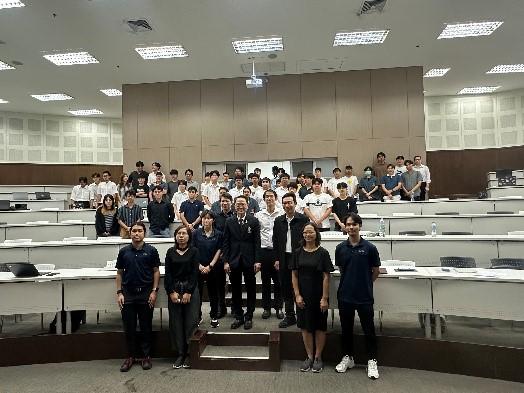
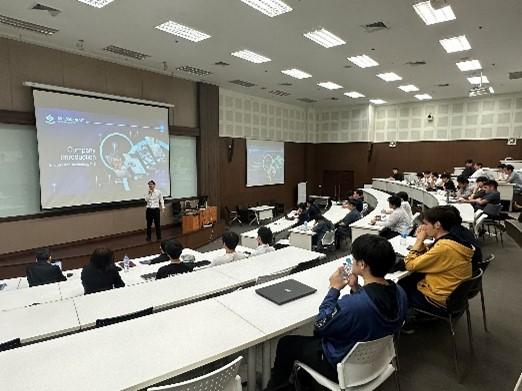
Providing funding for activities CUEE Camp (Chula Electrical Engineering Camp) is a camp that promotes and generates interest among high school students, focusing on inspiring them to pursue higher education in electrical engineering at the university level, aiming to support and build a new generation of individuals to sustainably meet future staffing needs.
Providing scholarships in collaboration with the National Research Office for doctoral students in fields supported annually by the National Research Office 2025
Special lecture in the Electrical Engineering Department class, Chulalongkorn University, on the topic of What is Inside a Microcontroller? - A Digital Design Perspective, to enhance knowledge about design and innovation by the Company's design engineers.
Special lecture on the topic of Security Application in Embedded System at the Embedded System Skills Competition (TESA Top GUN Rally)
Accepting interns for both summer and cooperative education programs to enhance real-world work experience in the semiconductor field, including applying electronic knowledge to practical work, and also participating in providing guidance for fourth-year projects (bachelor's degree) to students from various universities.
Organizing open house events for students and engineers from various institutions, such as Kasetsart University, Chulalongkorn University, King Mongkut's Institute of Technology Ladkrabang, King Mongkut's University of Technology North Bangkok, Kanchanapisek Wittayalai Nakhon Pathom School (Phra Tamnak Suan Kularb Matthayom), and the Thai Women Engineers Association, to attend lectures and learn about the Company's actual products to enhance their skills and knowledge, and to serve as a guide for future educational or career decisions.
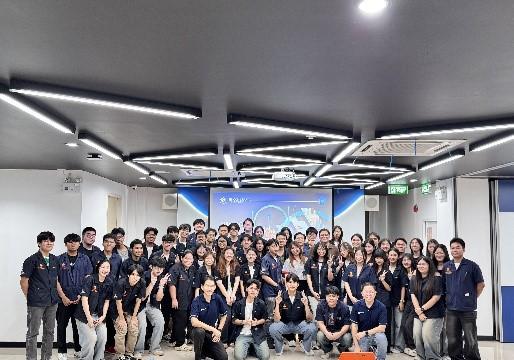
Booths providing guidance on applying university knowledge to various positions in the semiconductor industry, such as Kasetsart University, Chulalongkorn University, King Mongkut's Institute of Technology Ladkrabang, King Mongkut's University of Technology North Bangkok, King Mongkut's University of Technology Thonburi.
Participating in discussions and exchanging perspectives on human resource development for the semiconductor industry through the Bachelor's degree programs in Electrical Engineering and Semiconductor Engineering at Chulalongkorn University, at the event ECTI-CON2025: Special Panel Discussion
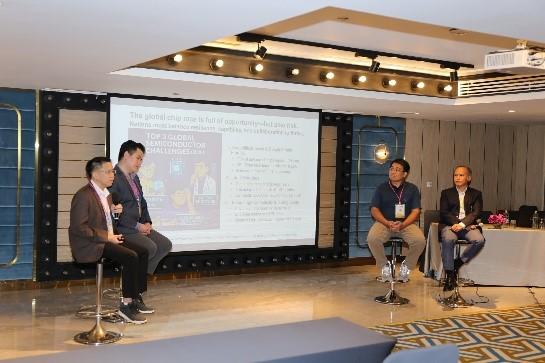
Participating in discussions and answering questions with high school students and parents interested in the semiconductor engineering program at the event CU Semi Talk: Exploring the World of Semiconductor Engineering with Chula
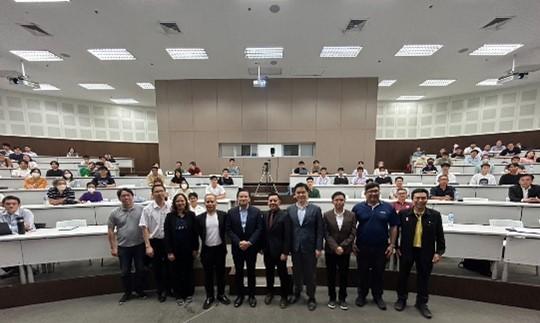
Participating in discussions about the role of semiconductors as the infrastructure of the digital world to open up future perspectives in engineering and global career opportunities, at the event K-World Talk: Semiconductor Engineering – The Heart of Innovation and the Path to the Future
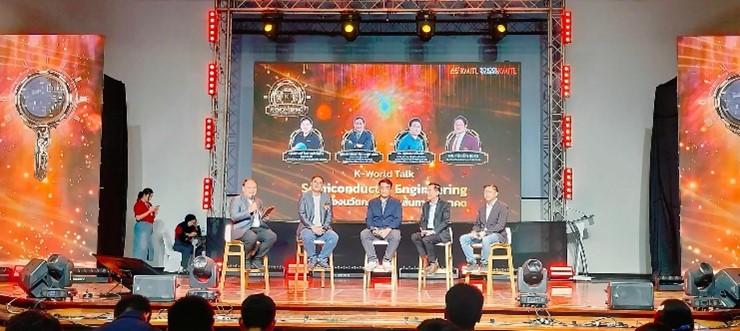
Law Violation Incidents
Law Violation Incidents
| Metric | Current Year | Previous Year | Two Years Ago |
|---|---|---|---|
| The total number of cases or incidents of significant violations of laws or regulations regarding social and human rights (Cases) | 0 | 0 | 0 |
| The total number of cases or incidents that cause significant labor disputes (Cases) | 0 | 0 | 0 |
| The total number of cases or complaints related to consumer rights violations (Cases) | 0 | 0 | 0 |
| The total number of cases or complaints related to partner rights violations (Cases) | 0 | 0 | 0 |
| The total number of cases or incidents that cause disputes with the community/society (Cases) | 0 | 0 | 0 |
| The total number of cases or incidents related to cyber security or customer data breaches (Cases) | 0 | 0 | 0 |
| The total number of cases or incidents related to safety and occupational health at work (Cases) | 0 | 0 | 0 |